

Ecommerce Logistics Challenges and Innovations in 2025 sets the stage for this enthralling narrative, offering readers a glimpse into a story that is rich in detail and brimming with originality. As we delve into the complexities of the online retail landscape, we uncover a tapestry of challenges and innovations that shape the future of ecommerce logistics.
Within this exploration, we uncover the evolving landscape of technology, sustainability practices, and supply chain resilience that are poised to redefine how goods move from seller to consumer in the digital age.
Ecommerce Logistics Challenges in 2025
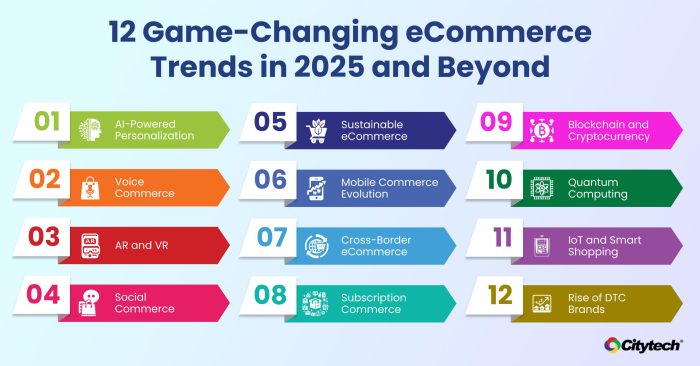
In 2025, ecommerce logistics faces several key challenges that impact the overall ecosystem of online businesses. These challenges have evolved over the years, presenting new obstacles for companies to overcome. Let's explore the challenges faced by ecommerce logistics in 2025 and how they compare to previous years.
Rising Customer Expectations
One of the major challenges in 2025 is meeting the rising expectations of customers. With the demand for faster delivery, real-time tracking, and hassle-free returns, logistics companies need to optimize their operations to provide a seamless experience for online shoppers.
Last-Mile Delivery Efficiency
The efficiency of last-mile delivery continues to be a challenge for ecommerce logistics in 2025. Companies are striving to find innovative solutions to optimize delivery routes, reduce delivery times, and minimize costs associated with the final leg of the delivery process.
Sustainability and Environmental Concerns
As environmental sustainability becomes a growing concern, ecommerce logistics companies are facing pressure to reduce their carbon footprint. Implementing eco-friendly practices, such as electric vehicles, packaging optimization, and waste reduction, is essential to address these challenges.
Supply Chain Disruptions
In 2025, supply chain disruptions, such as natural disasters, political instability, or global pandemics, pose a significant challenge to ecommerce logistics. Companies need to build resilient supply chains and establish contingency plans to mitigate the impact of unforeseen events.
Examples of Companies Tackling Challenges
- Amazon: Utilizing advanced technology such as drones and robotics to enhance delivery speed and efficiency.
- UPS: Implementing route optimization algorithms to improve last-mile delivery and reduce environmental impact.
- Alibaba: Investing in green logistics initiatives to reduce carbon emissions and promote sustainable practices.
Technology Innovations in Ecommerce Logistics
In today's rapidly evolving world of ecommerce logistics, technology plays a pivotal role in shaping the industry. Let's delve into the latest technological innovations that are transforming the way goods are transported, stored, and delivered.
Automation Revolutionizing the Logistics Industry
Automation has revolutionized the logistics industry by streamlining processes, enhancing efficiency, and reducing human error. Automated warehouses equipped with robots and conveyor systems can significantly speed up order fulfillment and minimize delays.
Role of AI and Machine Learning in Optimizing Logistics Operations
Artificial Intelligence (AI) and Machine Learning are being leveraged to optimize logistics operations by predicting demand, optimizing routes, and improving inventory management. These technologies enable companies to make data-driven decisions that lead to cost savings and improved customer satisfaction.
Companies Implementing Cutting-Edge Technology in Logistics Processes
- Amazon: Utilizes AI-powered predictive analytics to forecast demand and optimize inventory levels, reducing stockouts and overstock situations.
- UPS: Implements drone delivery technology to reach remote areas quickly and efficiently, expanding its delivery network and improving last-mile delivery services.
- DHL: Incorporates Internet of Things (IoT) devices in its supply chain to track shipments in real-time, ensuring visibility and transparency throughout the logistics process.
Sustainability Practices in Ecommerce Logistics
In today's world, sustainability has become a critical aspect of business operations, including in the logistics sector for ecommerce businesses. As the demand for online shopping continues to rise, it is essential for companies to implement sustainable practices to reduce their carbon footprint and minimize environmental impact.
Importance of Sustainability in Logistics for Ecommerce Businesses
- Implementing sustainable practices in logistics can help ecommerce businesses reduce their environmental impact and contribute to a greener future.
- By focusing on sustainability, companies can attract environmentally-conscious consumers who prefer to support eco-friendly businesses.
- Reducing carbon emissions and waste in logistics operations can lead to cost savings and operational efficiencies in the long run.
Strategies for Reducing the Carbon Footprint in Logistics Operations
- Optimizing delivery routes to reduce fuel consumption and emissions.
- Utilizing electric vehicles or hybrid trucks for last-mile delivery.
- Implementing packaging optimization to reduce material usage and waste.
- Partnering with eco-friendly suppliers and vendors for sustainable sourcing.
Impact of Eco-Friendly Packaging on Ecommerce Logistics
- Eco-friendly packaging materials such as recycled cardboard, biodegradable plastics, and compostable materials can significantly reduce the environmental impact of ecommerce logistics.
- Using sustainable packaging can help companies enhance their brand image and reputation among environmentally-conscious consumers.
- Proper packaging design and materials selection can also lead to cost savings and improve overall supply chain sustainability.
Success Stories of Companies Implementing Sustainable Practices in their Logistics
- Amazon has committed to achieving net-zero carbon emissions by 2040 and has invested in electric delivery vehicles and renewable energy sources.
- UPS has implemented a range of sustainability initiatives, including alternative fuel vehicles, route optimization, and eco-friendly packaging solutions.
- Alibaba has launched the Green Logistics Initiative to promote sustainable practices in its supply chain, focusing on energy efficiency and waste reduction.
Supply Chain Resilience and Adaptability
In the dynamic world of ecommerce logistics, building resilient supply chains and enhancing adaptability are crucial for success. These strategies help businesses navigate unforeseen circumstances and disruptions effectively.
Importance of Resilient Supply Chains
Resilient supply chains are essential as they ensure continuity in operations even in the face of unexpected events such as natural disasters, economic downturns, or global pandemics. Companies that invest in building resilience can maintain customer satisfaction and operational efficiency.
- Implementing redundant supplier networks to mitigate risks of single-source dependencies.
- Developing agile production processes to quickly adapt to changing demand patterns.
- Establishing robust communication channels with suppliers and partners for real-time information exchange.
Role of Data Analytics in Supply Chain Adaptability
Data analytics plays a significant role in predicting and mitigating supply chain disruptions by providing valuable insights into demand forecasting, inventory management, and risk assessment. Companies can leverage advanced analytics tools to proactively identify potential bottlenecks and optimize their supply chain operations.
By analyzing historical data and trends, businesses can make informed decisions to enhance supply chain adaptability and responsiveness.
Successful Examples of Supply Chain Resilience
Several companies have demonstrated the importance of supply chain resilience through their proactive strategies and quick responses to disruptions. For instance, during the COVID-19 pandemic, companies like Amazon and Walmart rapidly adjusted their supply chain processes to meet the surge in online orders and ensure timely deliveries to customers.
- Amazon invested heavily in expanding its logistics network and enhancing automation to cope with increased demand.
- Walmart collaborated closely with its suppliers to maintain inventory levels and streamline logistics operations.
- Nike implemented advanced supply chain technologies to improve visibility and agility in its operations.
Wrap-Up
In conclusion, Ecommerce Logistics Challenges and Innovations in 2025 paints a vivid picture of the dynamic forces at play within the realm of online retail. As we look ahead to the future, one thing is certain: the journey of ecommerce logistics is an ever-evolving saga, filled with challenges to be overcome and innovations to be embraced.
FAQ
What role does blockchain technology play in addressing ecommerce logistics challenges?
Blockchain technology can enhance transparency and traceability in supply chains, reducing fraud and ensuring authenticity of products.
How can predictive analytics improve supply chain resilience in ecommerce logistics?
Predictive analytics can forecast demand, identify potential disruptions, and optimize inventory management to build a more resilient supply chain.
What are some emerging trends in last-mile delivery for ecommerce logistics in 2025?
Emerging trends include the use of drones, autonomous vehicles, and crowdsourced delivery to expedite last-mile delivery processes.

