

Data Privacy Compliance in International Ecommerce sets the stage for this enthralling narrative, offering readers a glimpse into a story that is rich in detail and brimming with originality. As businesses expand globally, the need to understand and adhere to data privacy regulations becomes paramount.
This article delves into the complexities and challenges faced by companies in ensuring data protection across borders.
Introduction to Data Privacy Compliance in International Ecommerce
Data privacy compliance in international ecommerce refers to the adherence to regulations and laws governing the protection of personal information exchanged during cross-border transactions. It involves ensuring that customer data is collected, processed, and stored securely to safeguard individuals' privacy rights.
It is crucial for companies to comply with data privacy regulations in international ecommerce to build trust with customers, maintain a positive reputation, and avoid potential legal consequences. By prioritizing data privacy compliance, businesses can demonstrate their commitment to protecting sensitive information and enhance customer loyalty.
The Importance of Adhering to Data Privacy Regulations in Cross-Border Transactions
- Protecting Customer Trust: Ensuring data privacy compliance fosters trust among customers, who are more likely to share personal information if they feel it is being handled responsibly.
- Legal Compliance: Failure to adhere to data privacy regulations can result in hefty fines and legal penalties, impacting the financial stability and reputation of the business.
- Global Reputation: Complying with data privacy regulations in international ecommerce can enhance the company's reputation on a global scale, attracting more customers and partners.
Challenges Companies Face When Ensuring Data Privacy Compliance in International Ecommerce
- Cross-Border Regulations: Navigating the complex web of data privacy laws across different countries can be challenging for companies engaging in international ecommerce.
- Data Security Risks: The risk of data breaches and cyberattacks is heightened in cross-border transactions, requiring robust security measures to protect customer information.
- Third-Party Compliance: Ensuring that third-party vendors and partners also comply with data privacy regulations poses a challenge in international ecommerce operations.
Legal Frameworks and Regulations
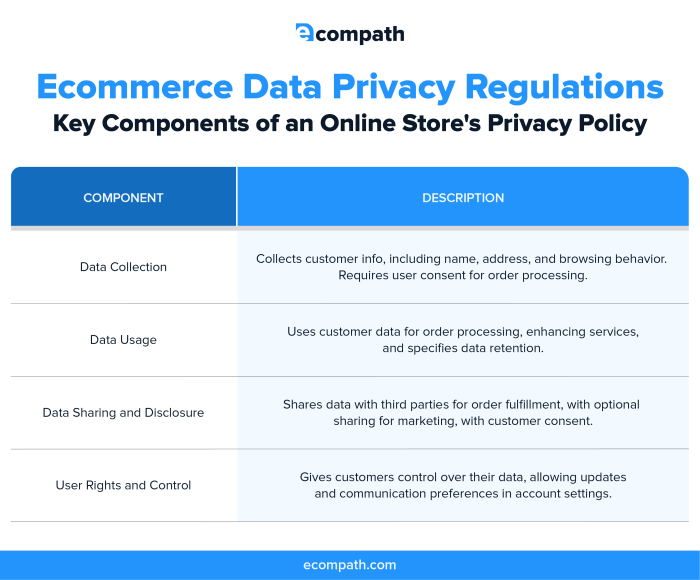
Data privacy regulations play a crucial role in shaping the landscape of international ecommerce. Various key international data privacy regulations impact ecommerce businesses, with each region having its own set of rules and requirements. In this section, we will explore some of the main data privacy laws that affect international ecommerce operations and the implications of non-compliance.
GDPR in Europe
The General Data Protection Regulation (GDPR) in Europe is one of the most comprehensive data privacy laws in the world. It sets strict guidelines for how businesses should handle personal data of individuals within the EU. Some key aspects of GDPR include the right to be forgotten, data portability, and the requirement for explicit consent for data processing.
CCPA in California
The California Consumer Privacy Act (CCPA) is another significant data privacy law that impacts ecommerce businesses, particularly those operating in California. Similar to GDPR, CCPA focuses on giving consumers more control over their personal information. It requires businesses to disclose data collection practices and gives consumers the right to request deletion of their data.
Implications of Non-Compliance
Non-compliance with data privacy regulations can have serious consequences for international ecommerce operations. Businesses that fail to adhere to these regulations may face hefty fines, legal actions, and reputational damage. Moreover, non-compliance can lead to loss of customer trust and loyalty, ultimately impacting the bottom line of the business.
Data Protection Measures
In the realm of international ecommerce, safeguarding customer data is paramount to maintaining trust and ensuring compliance with data privacy laws. Implementing robust data protection measures is essential to secure sensitive information during cross-border transactions and uphold the integrity of the business.
Encryption Techniques for Data Protection
Encryption plays a crucial role in protecting sensitive data during international ecommerce transactions. By converting data into a code that can only be deciphered with the correct key, encryption ensures that information remains secure even if intercepted by unauthorized parties.
Advanced encryption standards like AES (Advanced Encryption Standard) and SSL (Secure Sockets Layer) are commonly used to safeguard customer data in transit and at rest.
Role of Data Protection Officers
Data protection officers (DPOs) play a crucial role in ensuring compliance with international data privacy laws
By serving as a point of contact for data protection authorities and internal stakeholders, DPOs help organizations navigate complex data privacy requirements and mitigate risks associated with international ecommerce operations.
Cross-Border Data Transfers
Transferring customer data across international borders poses significant challenges for ecommerce companies. Different countries have varying data privacy laws and regulations, making it crucial to ensure compliance while transferring data globally.
Standard Contractual Clauses (SCCs) and Binding Corporate Rules (BCRs)
- Standard Contractual Clauses (SCCs) are legal mechanisms approved by the European Commission for data transfers outside the European Economic Area (EEA). Companies can use SCCs to ensure adequate data protection standards are in place.
- Binding Corporate Rules (BCRs) are internal rules for multinational companies that guarantee the protection of personal data transferred within the organization globally. BCRs are a useful tool for lawful data transfers within a corporate group.
Impact of Data Localization Requirements
Data localization requirements mandate that data should be stored within a specific geographic location. These regulations can significantly impact international ecommerce companies by limiting their ability to transfer and store customer data across borders. Companies must navigate these requirements to avoid penalties and ensure compliance with local laws.
Consumer Rights and Transparency
Consumer rights and transparency play a crucial role in international ecommerce transactions, especially when it comes to the handling of personal data. Consumers have certain rights that need to be respected by businesses operating in this space. Providing transparency regarding data collection and processing practices is essential to build trust with customers.
Obtaining explicit consent from customers for data processing activities in cross-border transactions is not only a legal requirement but also a way to ensure the protection of consumer data.
Consumer Rights Regarding Personal Data
- Right to access: Consumers have the right to access their personal data that is being collected and processed by a company.
- Right to rectification: Consumers can request corrections to inaccurate or incomplete personal data.
- Right to erasure: Also known as the "right to be forgotten," consumers can request the deletion of their personal data under certain circumstances.
- Right to data portability: Consumers can request their personal data to be transferred to another service provider.
Strategies for Providing Transparency
- Privacy policies: Clearly outlining data collection practices, processing purposes, and data sharing with third parties in easily understandable language.
- Consent mechanisms: Implementing clear and explicit consent mechanisms for customers to agree to the processing of their personal data.
- Data breach notifications: Promptly informing customers in case of any data breaches and providing details on the impact and mitigation measures.
Importance of Obtaining Explicit Consent
Providing consumers with the opportunity to give their explicit consent for data processing activities in cross-border transactions is vital for ensuring that their personal data is handled in a lawful and transparent manner. By obtaining explicit consent, businesses can demonstrate accountability and respect for consumer privacy rights, ultimately building trust and loyalty with their customer base.
Final Conclusion
In conclusion, Data Privacy Compliance in International Ecommerce is a multifaceted issue that requires careful consideration and proactive measures. By staying informed about regulations, implementing robust data protection measures, and respecting consumer rights, businesses can navigate the complexities of international ecommerce while building trust with their customers.
FAQs
What are the key international data privacy regulations impacting ecommerce businesses?
Common regulations include GDPR in Europe, CCPA in California, and LGPD in Brazil.
How can companies ensure compliance with data privacy laws in international ecommerce?
Companies can implement robust data protection measures, appoint data protection officers, and obtain explicit consent from customers for data processing activities.
What are Standard Contractual Clauses (SCCs) and how do they facilitate lawful data transfers?
SCCs are contractual clauses provided by the European Commission that ensure adequate protection for personal data when transferred to countries outside the European Economic Area.

